
Effective business operations rely on the ability to meet short-term financial obligations, and working capital plays a crucial role in achieving this goal. As a business owner, having immediate access to liquidity is essential for managing day-to-day expenses, investing in growth opportunities, and navigating unexpected challenges. Working capital provides the necessary funds to cover operational costs, pay suppliers, and capitalize on new business ventures, ultimately driving long-term success and profitability. By understanding the importance of working capital, businesses can unlock their full potential and stay ahead in today’s fast-paced market, ensuring a stable financial foundation.
Understanding Working Capital
Working capital is the financial metric that indicates a company’s ability to pay its short-term debts and cover its operational expenses. It is calculated by subtracting the company’s current liabilities from its current assets. A positive working capital indicates that a company has sufficient liquid assets to meet its short-term obligations, while a negative working capital indicates that a company may struggle to pay its debts.
Importance of Working Capital Management
Effective working capital management is crucial for a company’s financial stability and growth. It helps companies to optimize their cash flow, reduce their debts, and improve their creditworthiness. Good working capital management also enables companies to take advantage of investment opportunities and respond to changes in the market. A company with a strong working capital position is better equipped to weather economic downturns and capitalize on new opportunities.
Components of Working Capital
The main components of working capital are accounts receivable, accounts payable, inventory, and cash. Accounts receivable refers to the amount of money that customers owe to the company, while accounts payable refers to the amount of money that the company owes to its suppliers. Inventory refers to the company’s stock of goods, and cash refers to the company’s liquid assets. A company’s working capital is also affected by its credit terms, payment schedules, and inventory management.
| Component | Description |
|---|---|
| Accounts Receivable | Amount of money owed by customers |
| Accounts Payable | Amount of money owed to suppliers |
| Inventory | Stock of goods |
| Cash | Liquid assets |
Strategies for Managing Working Capital
Companies can use several strategies to manage their working capital, including cash flow forecasting, inventory optimization, and accounts receivable and payable management. Cash flow forecasting involves projecting the company’s future cash inflows and outflows, while inventory optimization involves managing the company’s stock levels to minimize waste and overstocking. Effective accounts receivable and payable management involves setting clear credit terms and payment schedules to minimize bad debts and late payments.
Benefits of Working Capital Management
Effective working capital management offers several benefits, including improved cash flow, reduced debt, and increased creditworthiness. It also enables companies to respond quickly to changes in the market and take advantage of new opportunities. Additionally, good working capital management can help companies to reduce their risk of bankruptcy and improve their overall financial stability. By maintaining a strong working capital position, companies can achieve their strategic objectives and drive long-term growth and success.
What is working capital business liquidity?
:max_bytes(150000):strip_icc()/WORKING-CAPITAL-FINAL-a6e7622f373e4210bd6d9eace32bdc82.png)
Working capital business liquidity refers to a company’s ability to meet its short-term financial obligations using its liquid assets. It is a measure of a company’s financial health and its ability to operate efficiently. Working capital is calculated by subtracting a company’s current liabilities from its current assets. This includes cash, accounts receivable, inventory, and other liquid assets that can be quickly converted into cash.
Importance of Working Capital Business Liquidity
The importance of working capital business liquidity cannot be overstated. A company with sufficient working capital can meet its short-term obligations, such as paying its employees, suppliers, and creditors. This helps to maintain a positive credit rating and avoid bankruptcy. A company with adequate working capital can also take advantage of business opportunities as they arise, such as investing in new technology or expanding into new markets. Some key benefits of working capital business liquidity include:
- Improved cash flow management
- Increased flexibility to respond to changing market conditions
- Enhanced credibility with lenders and investors
Factors Affecting Working Capital Business Liquidity
Several factors can affect a company’s working capital business liquidity, including its industry, business model, and management decisions. For example, a company in a seasonal industry may require more working capital to meet its short-term obligations during peak periods. A company with a just-in-time inventory system may require less working capital than a company with a traditional inventory system. Some key factors that can affect working capital business liquidity include:
- Accounts receivable and accounts payable management
- Inventory management and supply chain optimization
- Cash flow forecasting and budgeting
Strategies for Improving Working Capital Business Liquidity
There are several strategies that companies can use to improve their working capital business liquidity, including optimizing accounts receivable and accounts payable, improving inventory management, and reducing operating expenses. Companies can also consider factoring or invoice discounting to improve their cash flow. Some key strategies for improving working capital business liquidity include:
- Implementing a cash flow management system to track and forecast cash flows
- Streamlining operating processes to reduce waste and inefficiency
- Diversifying funding sources to reduce dependence on a single lender or investor
What is the working capital ratio for liquidity?
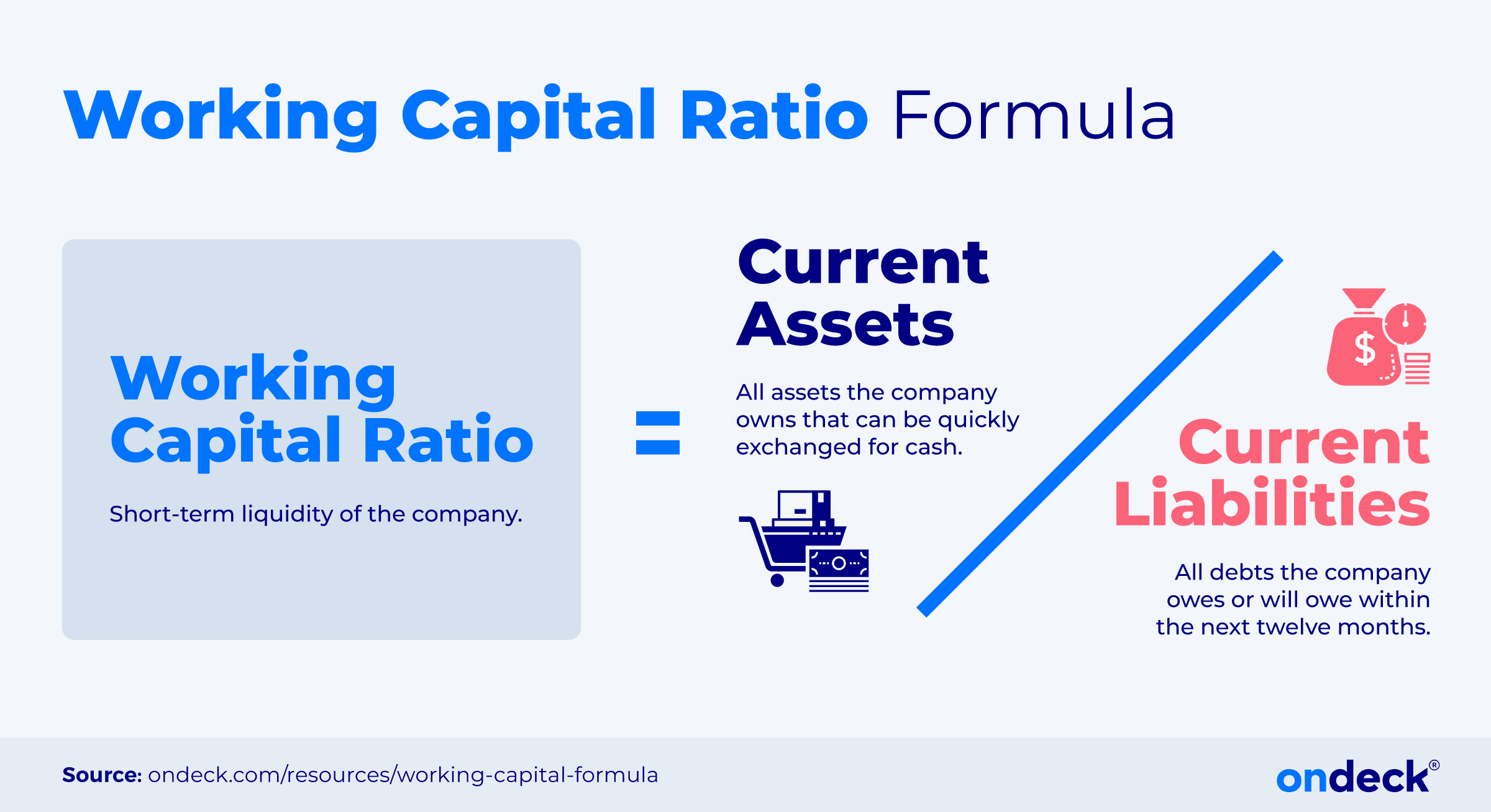
The working capital ratio for liquidity is a financial metric used to assess a company’s ability to meet its short-term obligations. It is calculated by dividing the company’s current assets by its current liabilities. A higher working capital ratio indicates that a company has sufficient funds to meet its short-term obligations, while a lower ratio may indicate liquidity problems.
Understanding the Working Capital Ratio
The working capital ratio is an important tool for assessing a company’s financial health. It helps investors and lenders determine whether a company has the ability to meet its short-term obligations, such as paying its bills and debts. A working capital ratio of 1:1 or higher is generally considered healthy, as it indicates that a company has sufficient assets to cover its liabilities. The following are some key points to consider when evaluating the working capital ratio:
- The working capital ratio is calculated by dividing current assets by current liabilities.
- A higher working capital ratio indicates greater liquidity and a lower risk of bankruptcy.
- A lower working capital ratio may indicate cash flow problems and a higher risk of default.
Calculating the Working Capital Ratio
Calculating the working capital ratio involves dividing a company’s current assets by its current liabilities. Current assets include cash, accounts receivable, inventory, and other liquid assets that can be easily converted to cash. Current liabilities include accounts payable, short-term debt, and other obligations that must be paid within a short period of time. The following are some key steps to follow when calculating the working capital ratio:
- Identify the company’s current assets and current liabilities.
- Calculate the total value of current assets and current liabilities.
- Divide the total value of current assets by the total value of current liabilities to get the working capital ratio.
Interpreting the Working Capital Ratio
Interpreting the working capital ratio requires careful analysis of a company’s financial statements and industry trends. A working capital ratio that is too high may indicate that a company is not using its assets efficiently, while a ratio that is too low may indicate liquidity problems. The following are some key points to consider when interpreting the working capital ratio:
- A working capital ratio of 1:1 or higher is generally considered healthy.
- A working capital ratio that is too high may indicate inefficient use of assets.
- A working capital ratio that is too low may indicate cash flow problems and a higher risk of bankruptcy.
What is liquidity management in working capital?
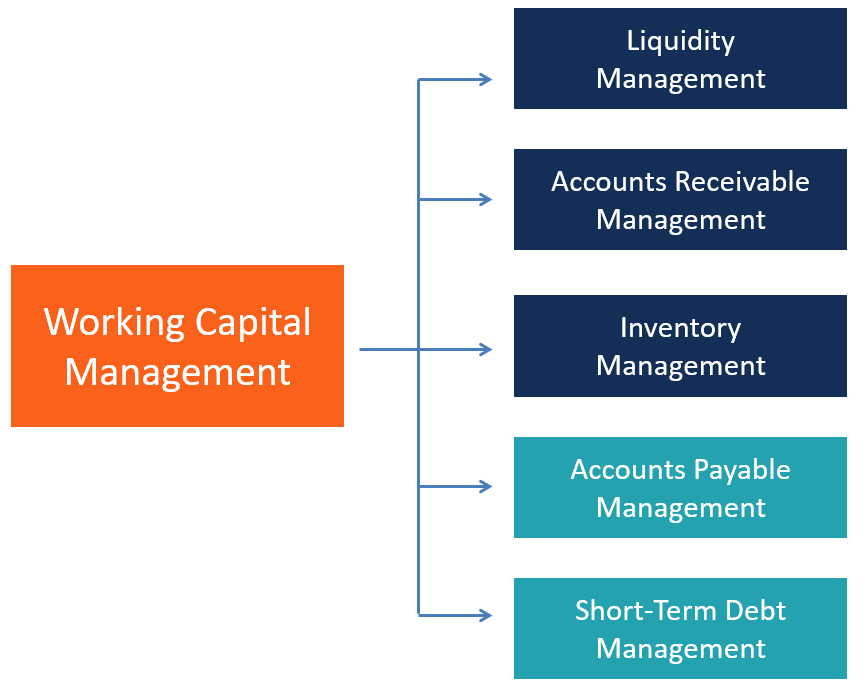
Liquidity management in working capital refers to the ability of a company to meet its short-term obligations and expenses using its liquid assets. It involves managing the company’s cash flow, accounts receivable, and accounts payable to ensure that it has sufficient funds to pay its bills and debts on time. Effective liquidity management is crucial for a company’s financial stability and growth, as it enables the company to take advantage of investment opportunities and respond to unforeseen events.
Importance of Liquidity Management
Liquidity management is essential for a company’s survival and success. It helps to prevent cash flow problems, which can lead to bankruptcy and business failure. A company with good liquidity management can invest in new projects, expand its operations, and improve its competitive position. The following are some key benefits of liquidity management:
- Improved cash flow: Liquidity management helps to ensure that a company has sufficient cash to meet its short-term obligations.
- Reduced financial risk: By managing its liquidity, a company can reduce its financial risk and avoid costly loans and debts.
- Increased flexibility: Liquidity management enables a company to respond quickly to changes in the market and take advantage of new opportunities.
Techniques for Managing Liquidity
There are several techniques that companies can use to manage their liquidity, including cash flow forecasting, accounts receivable management, and inventory management. Cash flow forecasting involves predicting a company’s future cash inflows and outflows to identify potential shortfalls. Accounts receivable management involves collecting payments from customers quickly and efficiently. Inventory management involves managing a company’s stock levels to minimize waste and excess. The following are some key techniques for managing liquidity:
- Cash flow forecasting: This involves predicting a company’s future cash inflows and outflows to identify potential shortfalls.
- Accounts receivable management: This involves collecting payments from customers quickly and efficiently.
- Inventory management: This involves managing a company’s stock levels to minimize waste and excess.
Metrics for Measuring Liquidity
There are several metrics that companies can use to measure their liquidity, including the current ratio, quick ratio, and cash flow ratio. The current ratio is a measure of a company’s ability to pay its short-term debts using its current assets. The quick ratio is a measure of a company’s ability to pay its short-term debts using its liquid assets. The cash flow ratio is a measure of a company’s ability to generate cash from its operations. The following are some key metrics for measuring liquidity:
- Current ratio: This is a measure of a company’s ability to pay its short-term debts using its current assets.
- Quick ratio: This is a measure of a company’s ability to pay its short-term debts using its liquid assets.
- Cash flow ratio: This is a measure of a company’s ability to generate cash from its operations.
How does working capital affect the liquidity and profitability of a business?
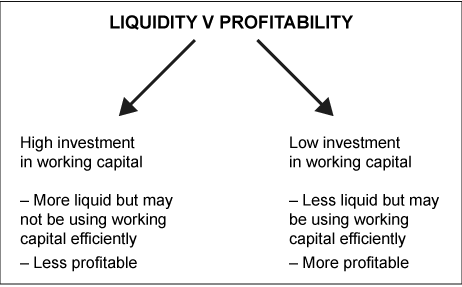
Working capital plays a crucial role in a business’s ability to meet its short-term obligations and maintain its liquidity and profitability. It represents the difference between a company’s current assets and current liabilities, and is used to finance the day-to-day operations of a business. A business with a sufficient amount of working capital can easily meet its short-term debts and invest in new opportunities, which can lead to increased revenue and profitability.
Impact of Working Capital on Liquidity
A business’s liquidity is its ability to meet its short-term obligations, such as paying its bills and salaries. Working capital has a direct impact on a business’s liquidity, as it provides the funds needed to meet these obligations. If a business has a high level of working capital, it can easily meet its short-term obligations and is less likely to experience liquidity problems. On the other hand, a business with a low level of working capital may struggle to meet its short-term obligations, which can lead to cash flow problems and even bankruptcy. Some of the key benefits of having a sufficient amount of working capital include:
- Ability to meet short-term debts and avoid late payment fees
- Ability to take advantage of new business opportunities and invest in growth initiatives
- Ability to maintain a stable cash flow and avoid liquidity crises
Impact of Working Capital on Profitability
Working capital also has an impact on a business’s profitability, as it provides the funds needed to invest in new opportunities and grow the business. A business with a high level of working capital can invest in new projects and initiatives, which can lead to increased revenue and profitability. On the other hand, a business with a low level of working capital may not have the funds needed to invest in new opportunities, which can limit its ability to grow and increase its profitability. Some of the key benefits of having a sufficient amount of working capital include:
- Ability to invest in new projects and initiatives to drive growth and increase revenue
- Ability to take advantage of new business opportunities and markets to increase sales and profitability
- Ability to maintain a competitive edge and stay ahead of competitors in the market
Managing Working Capital to Optimize Liquidity and Profitability
To optimize liquidity and profitability, businesses need to manage their working capital effectively. This involves monitoring cash flows, managing inventory and accounts receivable, and optimizing accounts payable. By doing so, businesses can minimize their cash flow problems and maximize their profitability. Some of the key strategies for managing working capital include:
- Implementing a cash flow management system to track and manage cash flows
- Optimizing inventory levels to minimize storage costs and maximize sales
- Implementing a creditor management system to manage accounts payable and minimize late payment fees
Frequently Asked Questions
What is Working Capital and Why is it Important for Businesses?
Working capital is the financial backbone of any business, providing the necessary funds to cover day-to-day operations, pay bills, and invest in growth opportunities. It is the difference between a company’s current assets and current liabilities, and having a sufficient amount of working capital is crucial for businesses to remain solvent and competitive. A company with a strong working capital position can respond quickly to changes in the market, take advantage of new business opportunities, and ensure that it has enough cash to meet its financial obligations. On the other hand, a business with inadequate working capital may struggle to pay its debts, invest in new projects, or even stay afloat during difficult times.
How Can Businesses Improve Their Working Capital Management?
Effective working capital management is essential for businesses to maintain a healthy cash flow and ensure that they have enough liquidity to meet their short-term obligations. To improve their working capital management, businesses can focus on optimizing their accounts receivable and payable processes, reducing inventory levels, and improving their cash forecasting. By streamlining their financial operations and making better use of their resources, companies can free up more cash to invest in growth initiatives and stay ahead of the competition. Additionally, businesses can consider implementing a cash management system to monitor their cash flow in real-time and make informed decisions about their working capital.
What are the Benefits of Having a Strong Working Capital Position?
Having a strong working capital position provides businesses with a number of key benefits, including the ability to respond quickly to changes in the market, take advantage of new business opportunities, and invest in growth initiatives. A company with a strong working capital position can also negotiate better terms with its suppliers and customers, reduce its reliance on debt, and improve its credit rating. Furthermore, a strong working capital position can provide businesses with a competitive advantage, allowing them to outmaneuver their rivals and stay ahead of the curve. By maintaining a healthy working capital position, companies can ensure that they have the financial flexibility to pursue their strategic objectives and achieve their long-term goals.
How Can Businesses Access Immediate Liquidity to Support Their Working Capital Needs?
Access to immediate liquidity is crucial for businesses to support their working capital needs and ensure that they can respond quickly to changes in the market. There are several ways that businesses can access immediate liquidity, including invoice financing, asset-based lending, and cash flow loans. These types of financing solutions can provide companies with the quick access to cash they need to pay their bills, invest in new projects, and stay ahead of the competition. Additionally, businesses can consider selling outstanding invoices or using a cash advance to free up more cash and support their working capital needs. By accessing immediate liquidity, companies can ensure that they have the financial resources they need to drive growth and achieve success.